HOUAT’S CHARACTER AND LOCATION
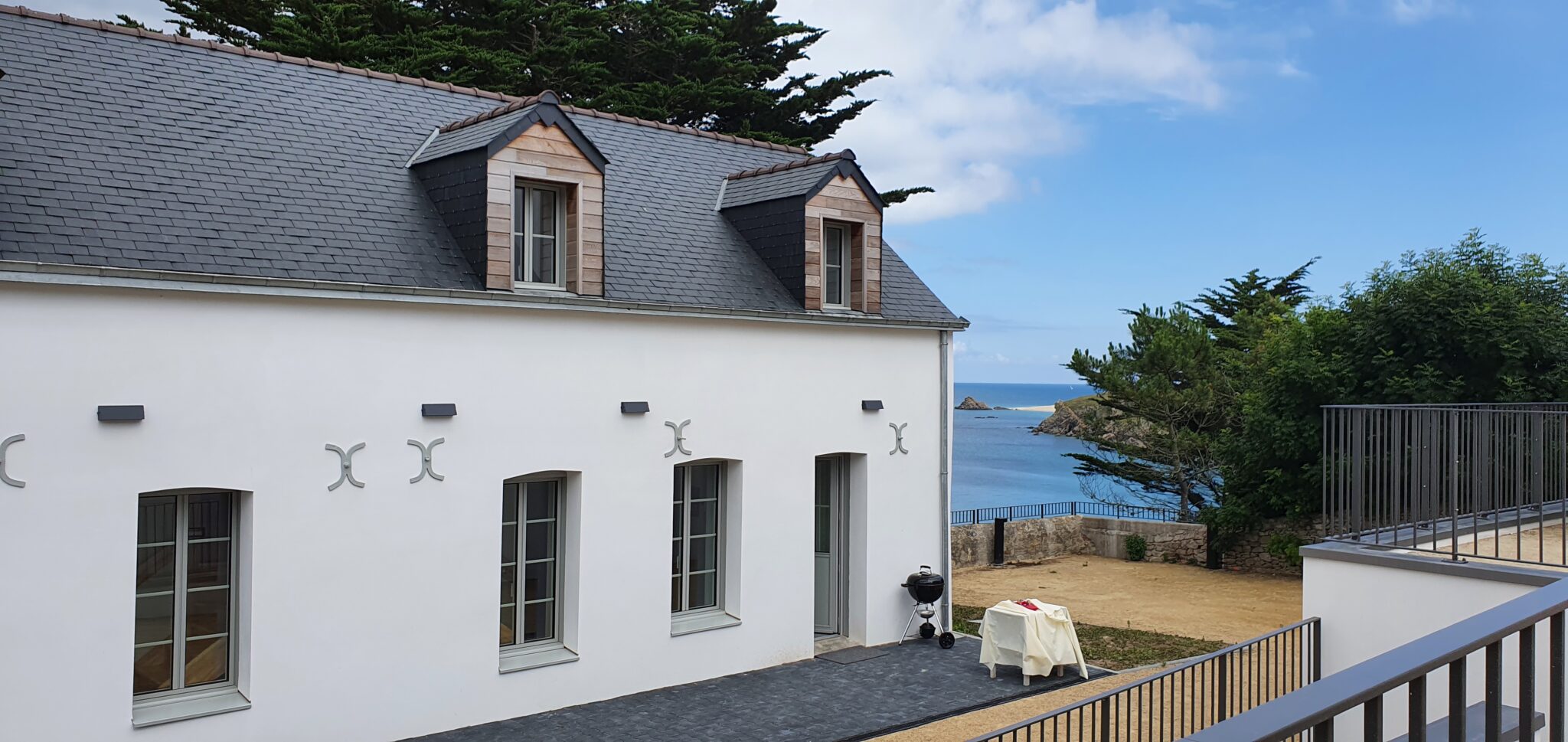
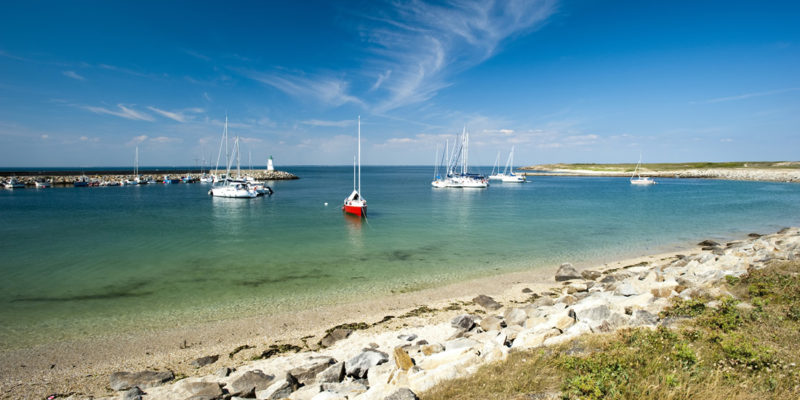
Houat is astonishingly beautiful, and generally tranquil, apart from the colonies of gulls who defend their terrain when you walk round the coastal path. This quite secretive but enchanting little Breton island lies south of the Quiberon Peninsula, east of much larger Belle-Ile.
Getting here and around the island
La Compagnie Océane
BP 1 - 56360 Le Palais
Tél. 0820 056 156 (n° Indigo)
www.compagnie-oceane.fr
Crossing takes 45 mins from Quiberon. Book in advance.
Others connections in season from Vannes, Locmariaquer, La Trinité/Mer, Port-Navalo, La Turballe and Le Croisic.
We only get around by foot or with bikes. Motor vehicles are forbidden.
Accommodation
-
3 hotels
-
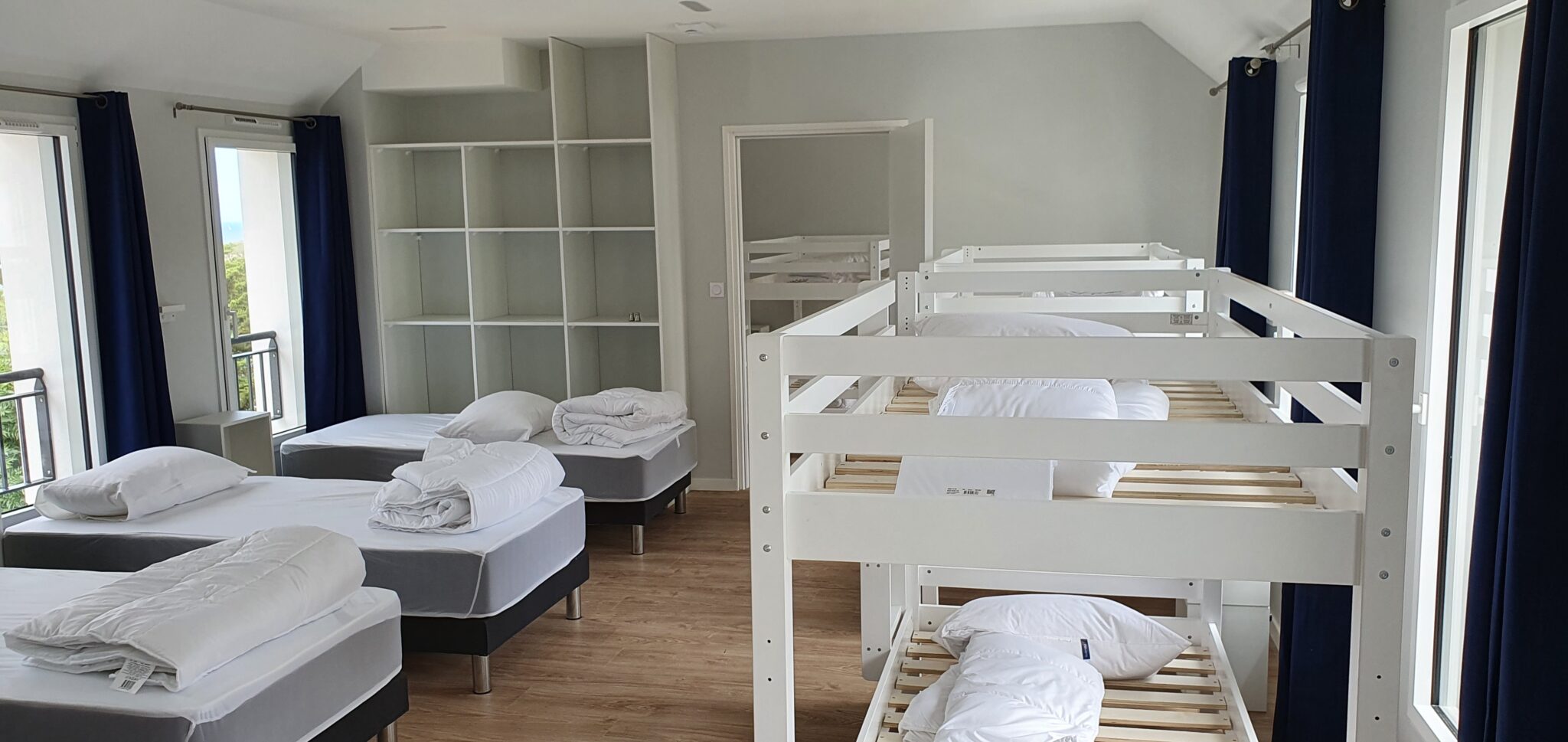
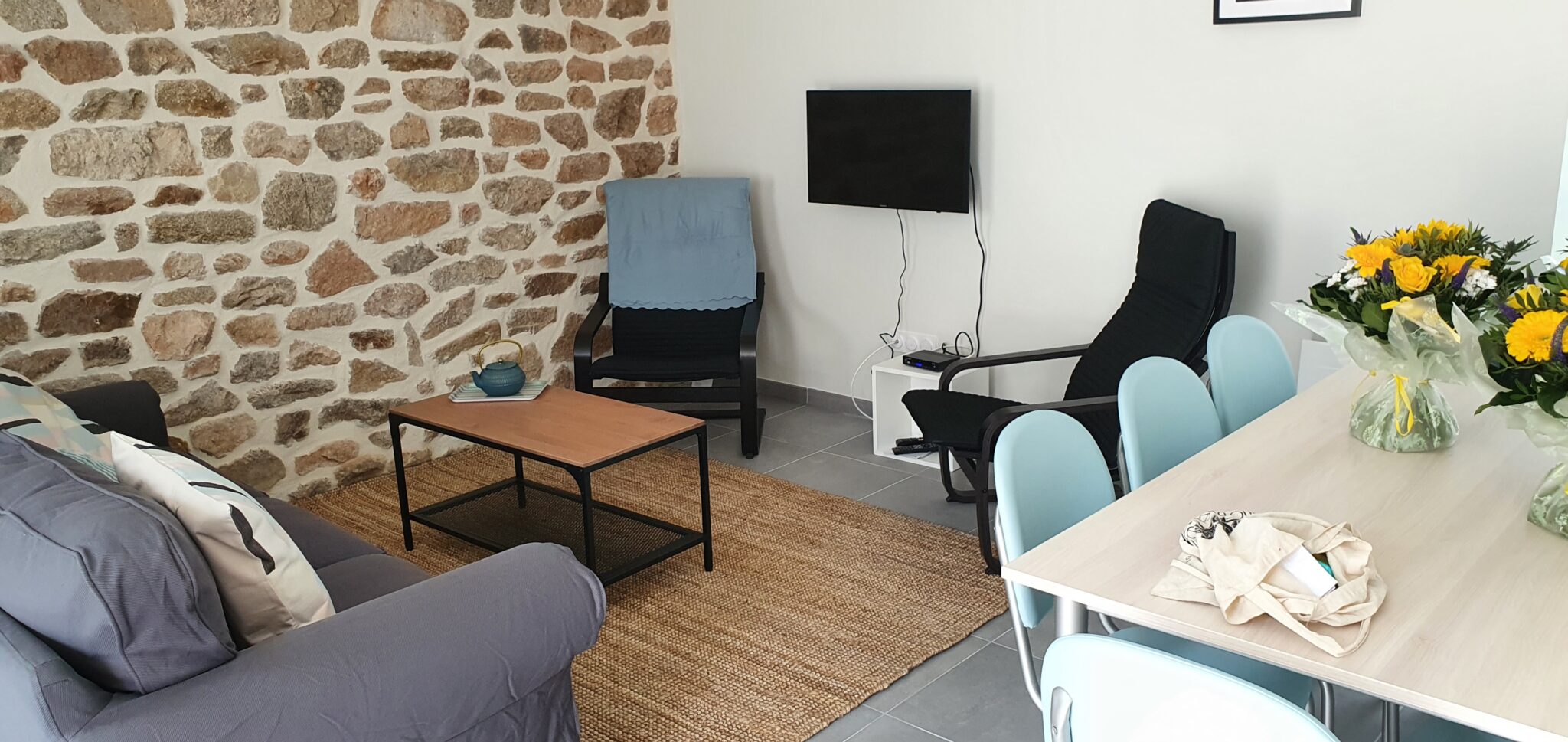
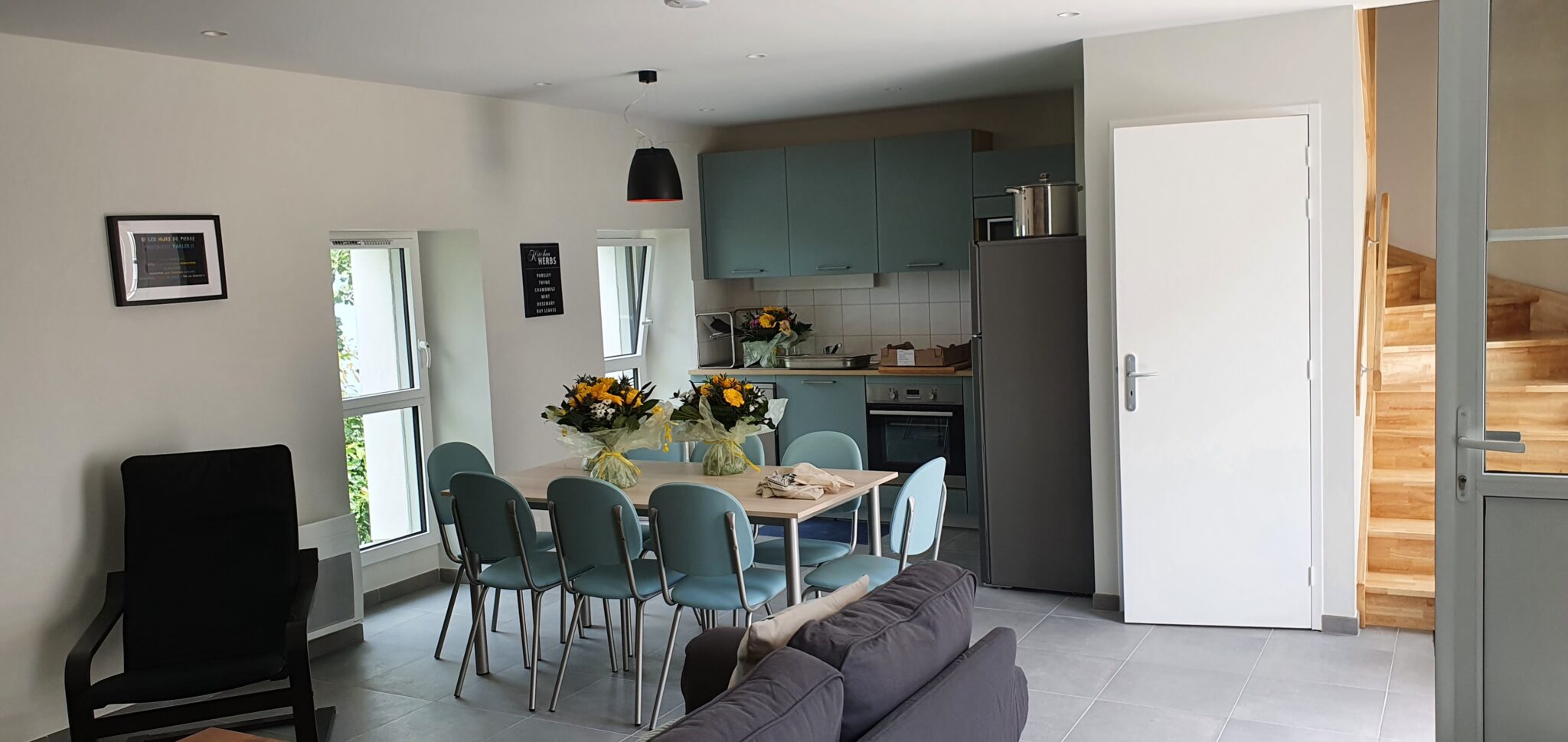
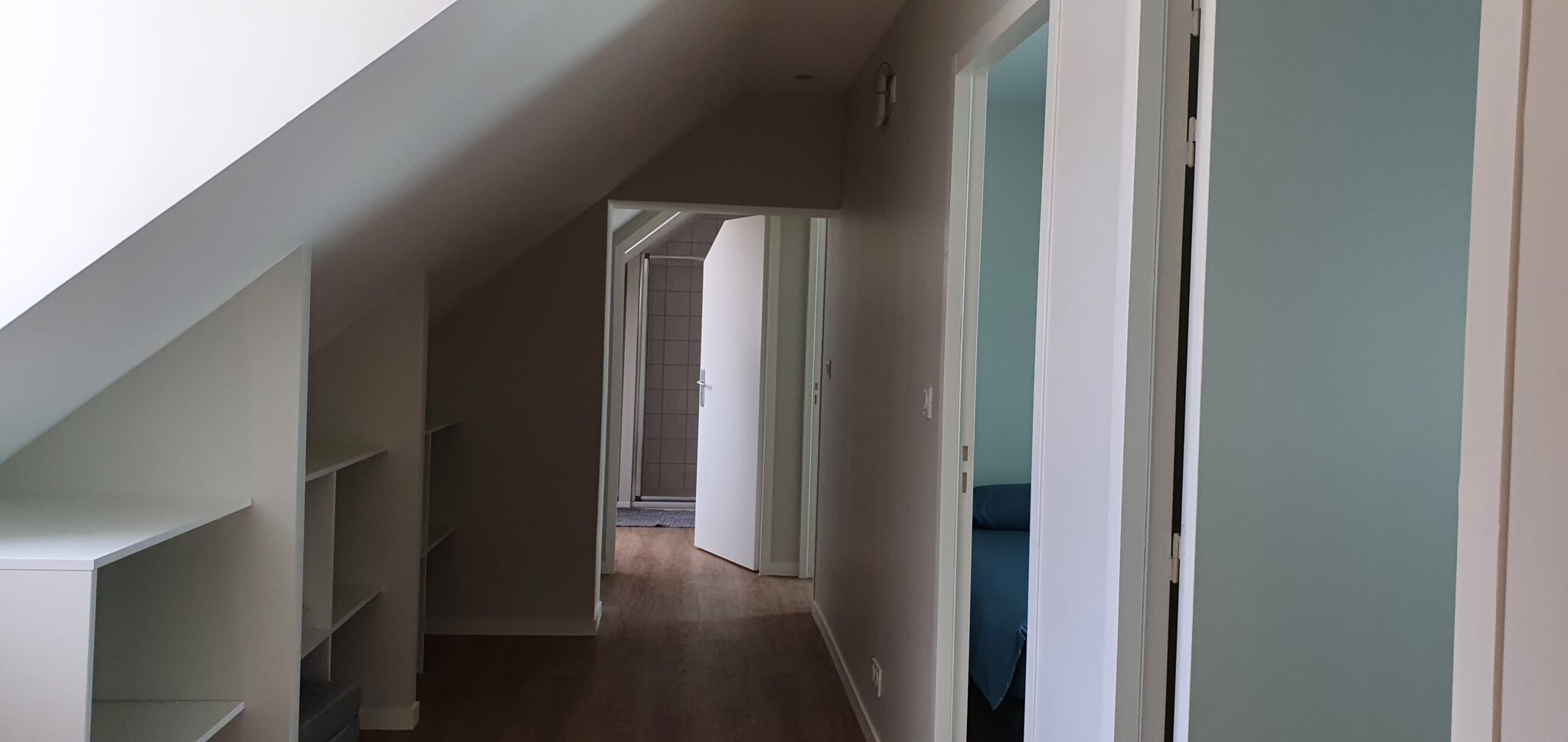
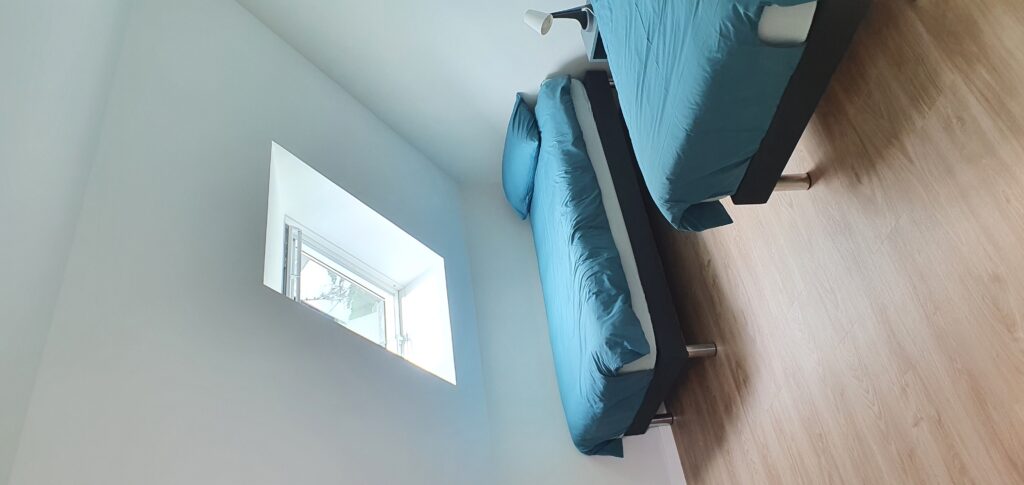
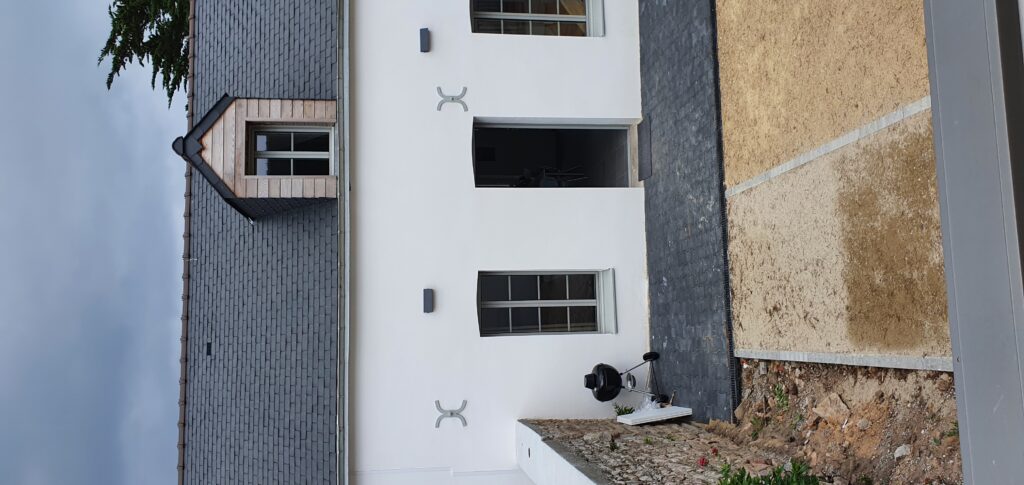
Furnished rental properties
-
Campsite.
List of accommodation available from the town hall.
For sailors
25 to 30 anchorages on moorings and others anchorages in the port of Saint Gildas.
Anchorages forbidden on the beaches of Treac’h er Goured and Treac’h er Salus.
Information on public transportation:
Municipal transport
You arrive at Houat’s port of St-Gildas. It only dates from the 1970s, a practical replacement for earlier harbours. Fishing is still a major activity here, as you can see when the colourful fishing vessels come into port. Yachts also have plenty of space to find a berth at the marina. You’ll no doubt notice the fishermen’s baskets piled high on the quays. They are used to catch crab and lobster. Savour these seafood specialities in the small number of hotels and restaurants on the island.
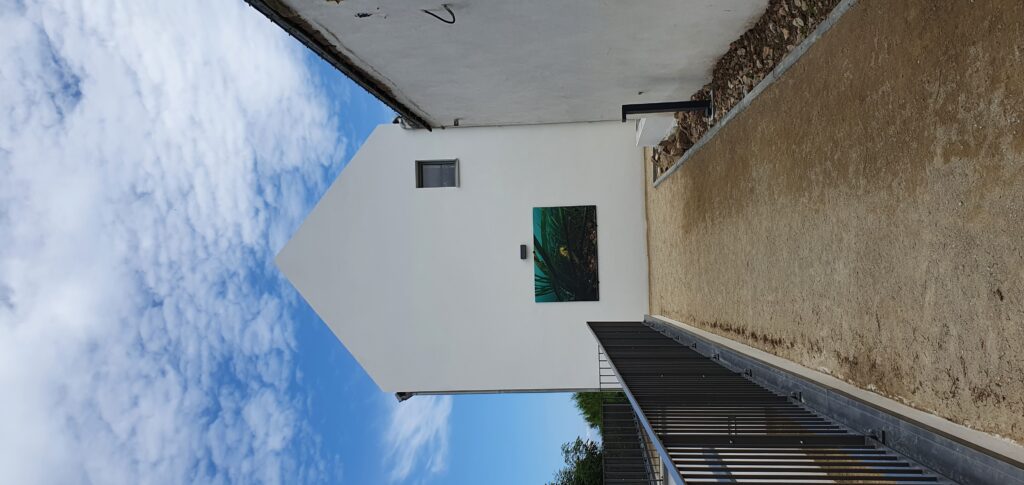
The immediate choice for visitors is between the short walk to the bright, single, village, just up from the port, or going straight to the divine beaches just a stone’s throw away on the eastern end of the island. The village is full of charm, with its whitewashed houses, its pretty church, and plenty of flowers in season. The beach curving round Houat’s northeast tip is phenomenally beautifully. It’s also most unusual, being convex in shape, so sticking out into the sea. Turn the tip, and an even longer beach stretches out before you, looking out towards neighbouring Hoëdic in the distance. Some rare flowers still grow in the dunes here, such as the maritime lily.
Behind the village, a well-preserved fort hides curiously in the middle of the island. Beyond it, the Eclosarium proves an illuminating, modern museum. On the one hand, it presents the history of Houat. It explains, for example, how this island so far out on a limb was often taken by foreign forces who sometimes even held the population to ransom – eventually, in the 19th century, the French military built three forts on Houat, but these came too late and never served. On the other hand, the Eclosarium casts its net much wider; in particular, it reveals in engrossing detail the crucial role played by minuscule plankton in the oceans in keeping life going on our planet.
A tour of Houat walking the coastal path is a must. The route is uplifting, with plenty of headlands, intriguing islands to spot near and far, and no human habitations on view. Just the meagre remnants of the Fort Béniguet mark the island’s northwest tip. There is another lovely beach, the Plage de Treac’h Er Beniguet on this side of Houat, looking back towards the Quiberon Peninsula.
BRITISH CONNECTIONS WITH HOUAT
A fine contemporary British writer, Iain Pears, set a recent novel, The Portrait, on the island of Houat. It’s a gripping mystery told by the main protagonist, a Scottish painter, Henry MacAlpine. He settles here and gets to confront his cruel, long-term critic and tormentor, William Nasmyth.
To document
Visit the gallery
Download documentation